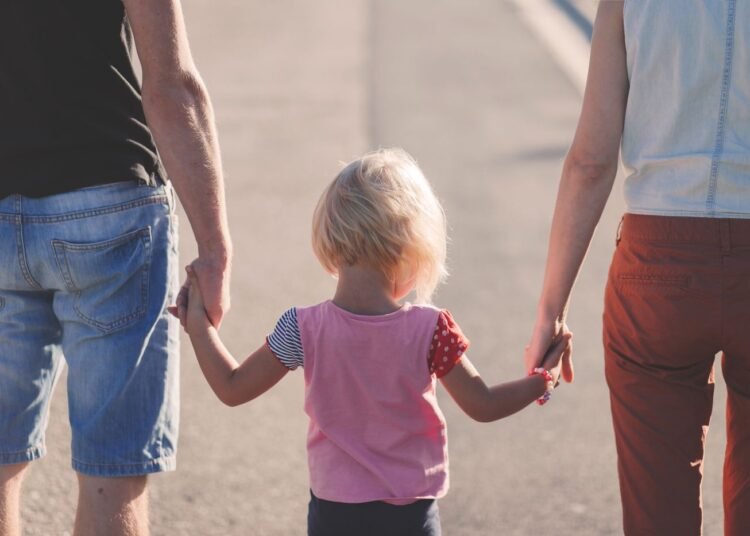


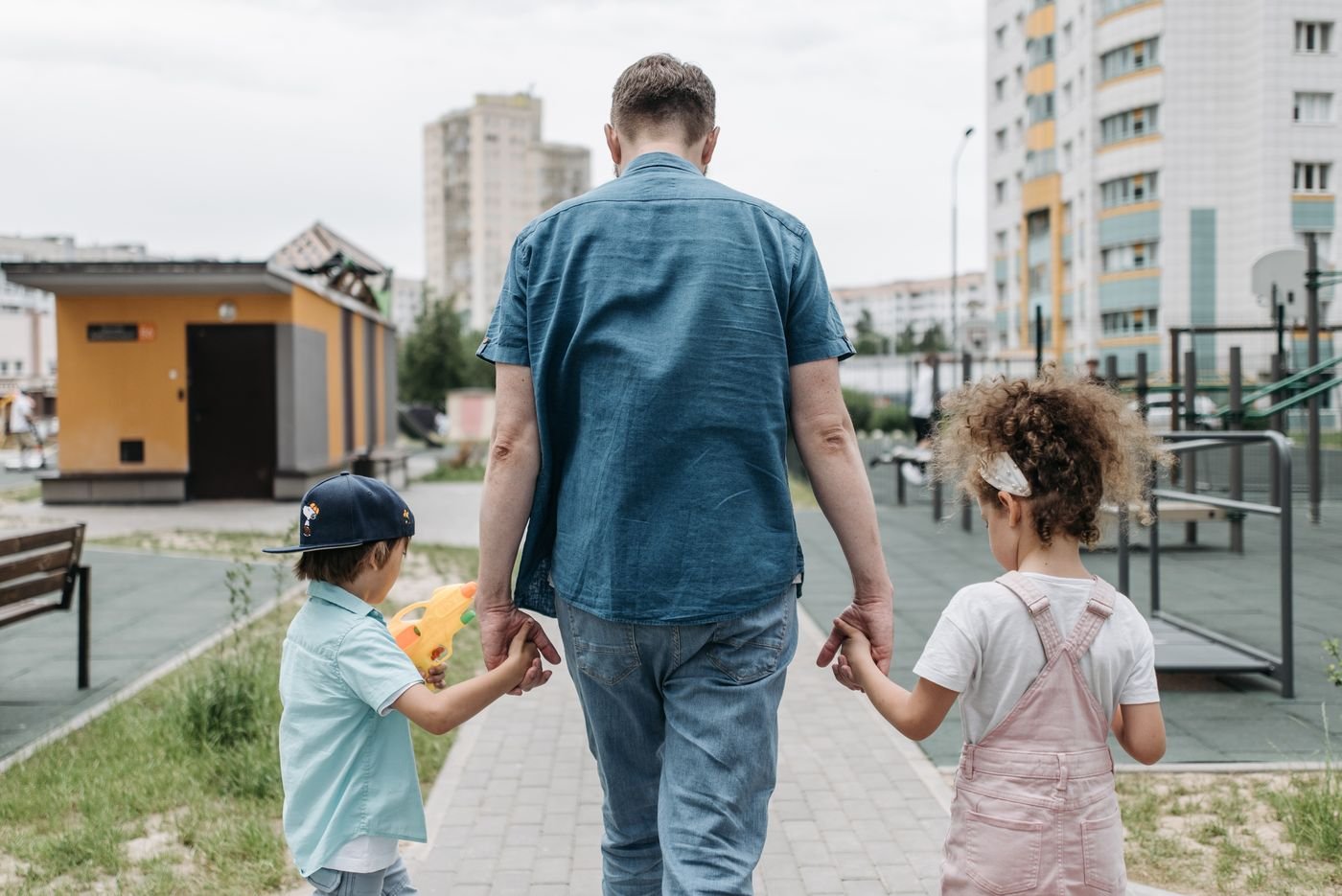
Kids hear more than we think. They notice the tone on the TV, the quiet in the car, and the look on our faces. When they ask, “Are we safe?” they want a calm answer more than a perfect one.
Tell the truth in small pieces
You do not need to share every detail. Keep it simple and true. “Something sad happened far away. The people who help us are working on it. You are safe right now with me.”
Let them feel it
It is okay for them to be sad, scared, or angry. Say, “That sounds really hard. I feel that way sometimes too.” Feelings named out loud get smaller.
Show them the helpers
Point out the nurses, firefighters, teachers, and neighbors who show up. Kids need to see that good people are everywhere, not just in the scary headlines.
Give them something to do
Kids calm down when they can act. Let them draw a card, bake something for a neighbor, or send a Make Someone’s Day message to a family member.
Your kids are learning how to face hard things from watching you. Be honest, stay close, and keep showing them that hope is something you practice together.
Keep it honest and calm
Children pick up on worry. Use simple words, tell the truth at their level, and remind them they are safe and loved. Limit their exposure to news. Let them ask questions and listen without rushing. Point to the helpers who show up.
Make someone's day
Pass this on. One kind message can change a whole day. Then play a game that does some good.