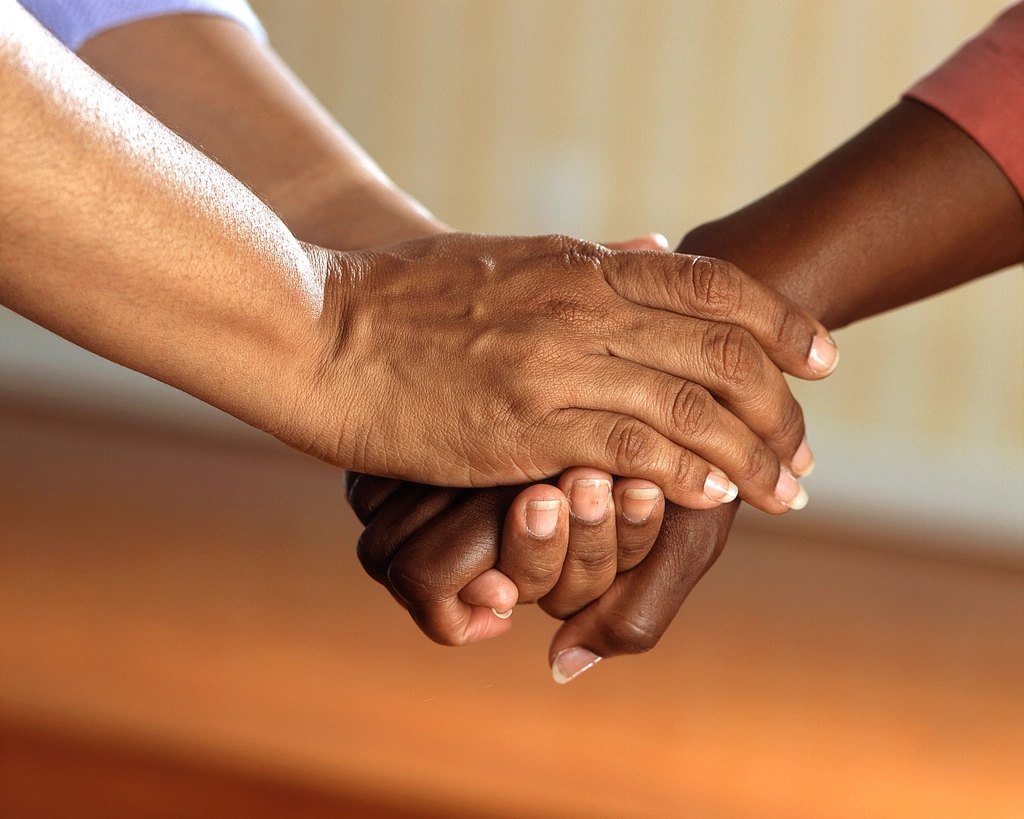
The Power of Positivity
Other researchers studying disaster recovery nationwide have found the same pattern over and over: people who could lean on a neighbor, a church, a coworker, or a friend recovered faster and more fully than people who tried to go it alone, even when they had more resources on paper. Community isn’t a backup plan. In a real crisis, it might be the main plan.
I’m not going to sit here and tell you everything is fine, because it isn’t always. Some weeks feel heavy. The news is loud, money’s tight for a lot of people, and it can feel like everyone’s fighting everyone. But I’ve learned something in 13 years of building relationships for a living: the people who make it through hard seasons almost never do it alone. That’s not a nice saying. It’s backed by real research, and I want to walk you through it.
Let’s Name The Hard Part First
Life has a way of stacking things up. A layoff. A diagnosis. A kid struggling. A marriage under strain. A bank account that doesn’t match the bills. When that hits, the instinct for a lot of us is to pull inward, go quiet, and try to handle it alone so we don’t burden anybody. I get that instinct. I’ve felt it. But it might be the exact wrong move, and the data backs that up.❤️❤️❤️
We Are Lonelier Than We’ve Ever Been, And It’s Costing Us
The U.S. Surgeon General put out a formal warning a couple years back calling this an epidemic. Not a metaphor. An actual public health crisis, measured the same way we’d measure smoking or obesity.50%of U.S. adults report meaningful loneliness
67%of Gen Z say they feel lonely, the highest of any generation
$406Bestimated yearly cost of loneliness to the economy and healthcare system
Here’s the number that stopped me. Researchers say chronic loneliness carries a health risk close to smoking 15 cigarettes a day. It’s linked to a 29% higher risk of heart disease, a 32% higher risk of stroke, and a 50% higher risk of dementia in older adults. This isn’t about being an introvert or extrovert. Isolation is doing measurable damage to real bodies.
And here’s a stat that says a lot without needing much explaining: in the last twenty years, in-person social time for young adults dropped from around 150 minutes a day to about 40. We didn’t get less social because we stopped caring about each other. We got less social because it got easier to disappear into a screen than to knock on a door.But Here’s the Other Half of the Story
Connection isn’t just nice. It’s protective, in a way researchers can actually measure. After the 2015 Memorial Day flood in Hays County, Texas, one that killed at least 12 people and destroyed over 2,000 homes, Texas A&M researchers went back and studied who bounced back and who didn’t. They looked at age, income, and education. None of those predicted recovery. The one thing that did was how connected people felt to their neighbors.Resilience isn’t just about bricks and budgets. In part, it’s also about bonds between neighbors., Texas A&M disaster resilience study, 2025
🏙️ What predicted recovery
How cohesive and trusted people felt their neighborhood to be, regardless of how much money or education they had.📈️ What didn’t predict it
Age, gender, and socioeconomic status showed no significant link to how well someone recovered.❤️❤️❤️
So What Do We Actually Do With This?
Not a slogan. Not “just think positive.” Here’s what actually moves the needle, based on what the research and honestly my own life have shown me.- Check on someone today, not “someday.” A text that says “thinking about you, how are you really doing” does more than people expect.
- Show up in person when you can. A phone call beats a text. Standing on someone’s porch beats both.
- Let people help you. Isolating “so you don’t burden anyone” often just delays the burden and doubles the loneliness.
- Build something small and regular. A standing Sunday dinner, a weekly walk, a monthly call. Consistency builds the kind of trust that shows up when things go wrong.
- Say the encouraging thing out loud. Not empty flattery. A specific, honest compliment. People remember those for years.
- Forgive faster than feels natural. Grudges are heavy to carry alone, and most communities fracture over things smaller than people remember.
Staying Positive Isn’t Naive. It’s Strategic.
I’m not talking about pretending things are fine when they’re not. I’m talking about choosing, on purpose, to keep showing up, keep believing tomorrow can be better, and keep pulling people in close instead of pushing them away when life gets hard. The research backs it up. The people who stay connected recover faster, live longer, and carry less weight. That’s not soft. That’s smart.I’ve never made it big. I’m not the smartest guy in the room and I don’t pretend to be. But I’ve watched what happens to people who stay in community versus the ones who isolate, and it’s not close. The ones who stayed close to people made it through. Every time.Send This To Someone Who Needs To Hear It Today
Somebody in your life is carrying something heavy right now. This might be the nudge they need to reach out, or the one you need to reach out to them.If this is you today, and you’re carrying something alone, this is me telling you to call somebody. Not because it’s easy, but because the research and every hard season of my own life say the same thing: we were built to do this together, not alone. Let’s build this together., Phil
Sources & Further Reading
- U.S. Surgeon General’s Advisory, “Our Epidemic of Loneliness and Isolation,” hhs.gov
- The Global Statistics, “Loneliness Statistics in US 2026”
- Texas A&M Stories, “Neighbors Matter: Community Cohesion Boosts Disaster Resilience,” 2025
- NORC at the University of Chicago, “Stronger Together: How Social Resources Influence Disaster Recovery Outcomes”
More on we were built
- Why a Positive Mindset Matters More Than Ever in 2025
- Confidence and Self-Expression: Feeling Good in Your Own Skin
- Life Hack Breathing
Words from Positive Phil
Today’s effort is tomorrow’s confidence.