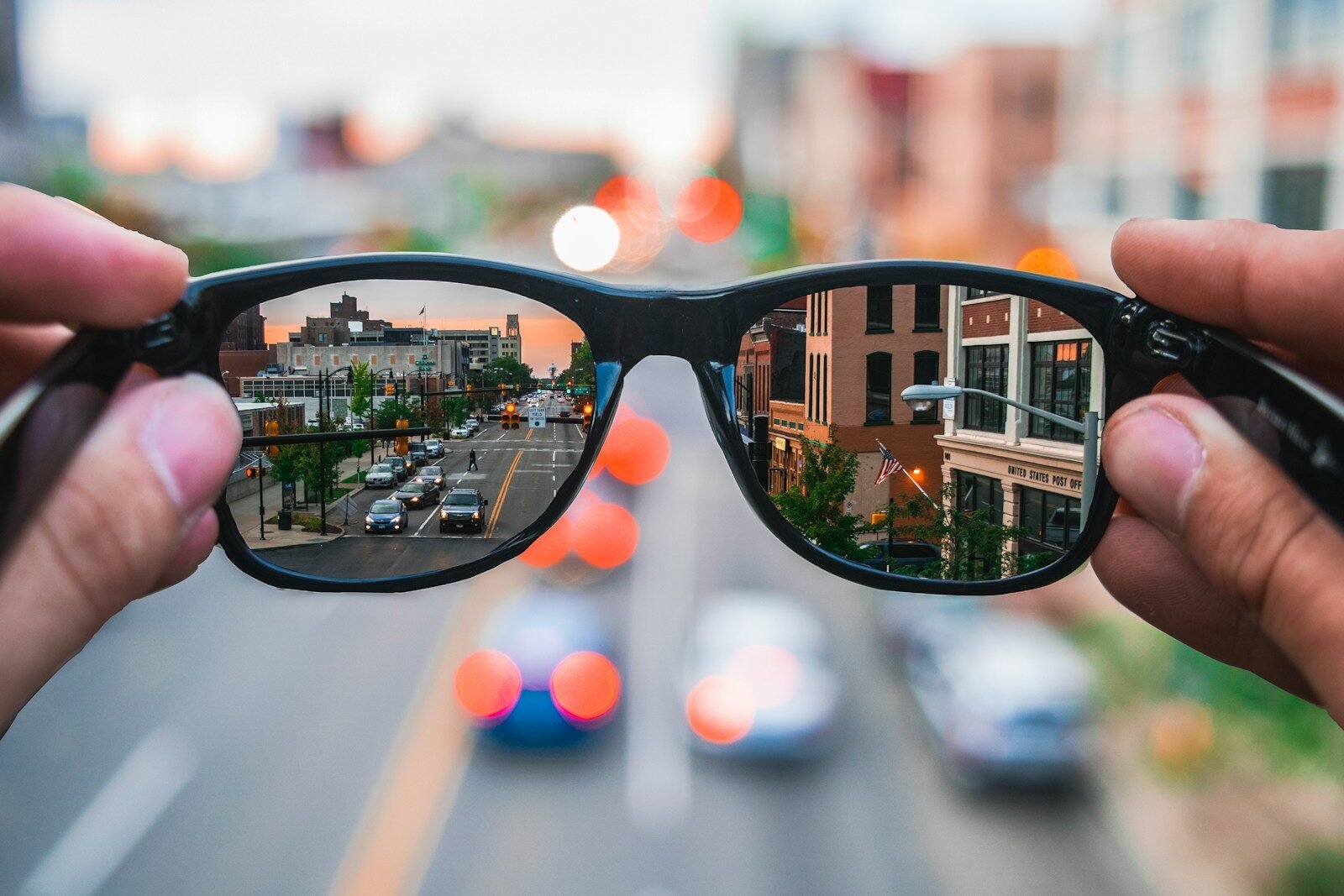
My great grandma was blind. I never got to see the world through her eyes, but I watched how much she needed other people just to get through a normal day. Reading a letter. Finding her way across a room. Knowing what was on her plate. Little things most of us never think twice about.That is why a story out of Meta stopped me in my tracks this year.Meta is giving away free Ray-Ban Meta AI glasses to every legally blind veteran in America. Not a discount. Not a small pilot program. Free glasses, for all of them, more than 130,000 veterans who qualify. They are doing it alongside people who have been in this fight a long time: the Blinded Veterans Association, Tunnel to Towers, Homes for Our Troops, Lighthouse Guild, and a few others who know exactly what these veterans need.Here is what the glasses actually do. They read a menu out loud. They tell you what is in front of you. They let a veteran make a call, mute it, hang it up, all with their voice, no fumbling around for a phone. They connect straight into Be My Eyes, so a real person can look through the camera and help out in real time.Don Overton lost his eyesight in Desert Storm. A bunker explosion took it from him. He said something that stuck with me: “When I lost my eyesight in Desert Storm from a bunker explosion, I also lost my independence.” Now he puts the glasses on and takes his wife out to dinner again. Reads the menu himself. Small thing to some. Huge thing to him.That is the part people miss about AI. Everybody wants to talk about it writing an email or answering a question. Fine, that is useful. But the real story is what happens when you point that same technology at a person who lost something, and hand a piece of it back to them. Over a billion people in this world live with a disability. This is what it looks like when a company actually builds for them instead of just talking about it.None of this runs without a mountain of infrastructure behind it. Meta is putting well over a hundred billion dollars into AI data centers this year alone, gigawatt scale builds going up in Louisiana, Ohio, and Indiana. I spend my days on the industrial side of that world, working with the systems that keep facilities like that cooled and running. I am not going to turn this into a pitch. I just think it is worth saying, somewhere behind every pair of these glasses is a wall of hardware working around the clock so a veteran can read a menu to his wife. That is a good reason to be proud of the work going into it, wherever you sit in it.If you know a blind veteran, point them to bva.org/glasses. Stories like this are a good reminder of what this technology is actually supposed to be for.
Keep reading
Technology Can Serve People
Stories like this remind us that technology, used well, can help people live with more dignity and independence. It is encouraging to see tools designed with real needs in mind.
Think about the people in your life who might face daily challenges that you do not see. Small changes, like clear communication, patience or a helping hand, can mean a lot.
It is also a good reminder to honor those who serve. Veterans have given a great deal. A simple thank you, a visit or a call can brighten someone’s week.
If you work in or around technology, ask who your work could help. If you do not, you can still support causes that bring these tools to people who need them.
Take a moment today to thank a veteran or someone who has served you. A kind word goes a long way.
Technology can serve people
Stories like this remind me that good tools matter most when they give someone back a piece of daily life. Independence is a big word. It means choosing where you go and doing it on your own terms.
I am grateful when new ideas get pointed at real human needs.
Be the helper
You do not need a gadget to help someone who struggles with something you find easy. Offer a ride, read a document aloud, walk with a neighbor to an appointment.
Dignity grows when help is offered kindly and without making a big deal of it.
Keep your eyes open
Ask the people around you what would make their week easier. Then act on one thing.
That is how good news actually spreads, one person at a time. Let’s keep looking for it.
Words from Positive Phil
Keep going. Somebody is watching and learning from you.