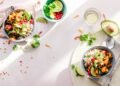


Eating well after 60 is not about strict rules or giving up food you love. It is about a few simple habits that help you keep your strength, your energy, and your independence. This guide keeps it plain. Real food, enough protein, plenty of color, and water. Nothing fancy.
The short version
- Build meals around whole, minimally processed foods.
- Get enough protein. Older adults may do better with more than the basic minimum, around 1.2 to 1.6 grams per kilogram of body weight a day, according to the 2025 to 2030 Dietary Guidelines fact sheet from Oklahoma State Extension.
- Eat plenty of vegetables and fruit, and make water your main drink.
- Go easy on added sugar, salt and highly processed food.
Why food matters more with age
As we get older, we tend to lose muscle if we do not use it and feed it. Appetite can shrink. Cooking for one can feel like too much effort. Each of those makes it easy to eat less of the right things. Good food helps you stay strong, keep your balance, and have energy for the things you enjoy.
Food is not a project. It is fuel for the life you want to keep living.
A simple plate
You do not need to count anything to start. Look at your plate and aim for this:
- Half the plate: vegetables and fruit. Frozen and canned (rinsed) work just as well as fresh.
- A quarter: protein. Eggs, fish, chicken, beans, lentils, Greek yogurt, tofu, or lean meat.
- A quarter: whole grains or starchy foods. Oats, brown rice, whole grain bread, potatoes.
- A little: healthy fat. Olive oil, nuts, avocado.
- To drink: water first. Coffee and tea are fine.
How much protein, really
The basic recommended amount for healthy adults is 0.8 grams per kilogram of body weight each day. The Oklahoma State Extension summary of the 2025 to 2030 Dietary Guidelines says some groups, including older adults and active people, may benefit from 1.2 to 1.6 grams per kilogram. Here is what that looks like in real life.
| Body weight | Basic minimum (0.8 g/kg) | Higher range (1.2 to 1.6 g/kg) |
|---|---|---|
| 60 kg (132 lb) | 48 g | 72 to 96 g |
| 75 kg (165 lb) | 60 g | 90 to 120 g |
| 90 kg (198 lb) | 72 g | 108 to 144 g |
Spread protein through the day instead of eating most of it at dinner. Eggs at breakfast, a can of tuna or beans at lunch, and fish or chicken at dinner gets most people there. A scoop of Greek yogurt or a handful of nuts makes an easy snack.
The numbers worth knowing
The same fact sheet suggests about 3 servings of vegetables and 2 servings of fruit a day on a 2,000 calorie pattern, plus whole grains and dairy or fortified alternatives. These are guides, not tests. If you are not there yet, add one vegetable to one meal and build from there.
A sample day of eating
| Meal | Idea |
|---|---|
| Breakfast | Two eggs, whole grain toast, berries |
| Snack | Greek yogurt with a handful of nuts |
| Lunch | Bean and vegetable soup, a side salad, whole grain bread |
| Snack | An apple with peanut butter |
| Dinner | Baked salmon, roasted vegetables, brown rice |
Easy habits that help
- Keep it simple. A few go-to meals you like beat a complicated plan.
- Batch cook. Make a big pot of soup or chili and freeze portions.
- Use frozen vegetables. They are cheap, quick, and last.
- Drink water. Thirst can fade with age. Keep a glass or bottle where you can see it.
- Eat with others when you can. A shared meal improves appetite and mood.
- Pair food with movement. A short walk and a protein rich meal work well together. Check out our guide to exercise for older adults.
A sample day of eating
| Meal | Idea |
|---|---|
| Breakfast | Oatmeal, berries, a spoon of nuts, and an egg or yogurt |
| Lunch | Chicken, tuna or bean salad over greens with whole grain bread |
| Snack | Apple with peanut butter, or cottage cheese |
| Dinner | Baked fish or turkey, a vegetable and a baked potato or brown rice |
Protein as we age
Current guidance notes that older adults may benefit from more protein than younger people, often more than the basic 0.8 grams per kilogram. Spread it through the day. Eggs, fish, chicken, beans, yogurt and milk all count. Ask your doctor what is right for you, especially if you have kidney concerns.
Fiber, water and gut health
Fruits, vegetables, beans and whole grains help digestion. Thirst can fade as we age, so sip water through the day. Soup and fruit count too.
Salt, sugar and heart health
The dietary guidelines suggest keeping sodium under 2,300 mg a day and added sugar under 10 percent of calories. Read labels on canned soup, deli meat and frozen dinners. Season with herbs, lemon and pepper.
Eating on a budget
Frozen vegetables, canned beans, eggs, oats and rice are low cost and healthy. Buy in season. Cook once, eat twice.
When appetite is low
Eat smaller meals more often. Add flavor. Eat with someone. If you are losing weight without trying, talk to your doctor.
This is general information, not medical advice.
Shopping list for the week
| Aisle | Pick |
|---|---|
| Produce | Berries, bananas, spinach, carrots, sweet potatoes |
| Protein | Eggs, chicken, fish, canned beans, tofu |
| Grains | Oats, brown rice, whole grain bread |
| Dairy | Yogurt, milk, cheese |
| Pantry | Olive oil, nuts, herbs, canned tomatoes |
Reading labels
Look at serving size first. Check sodium, added sugar and fiber. Pick foods with short ingredient lists. You do not need to be perfect. You need to be aware.
Eating alone
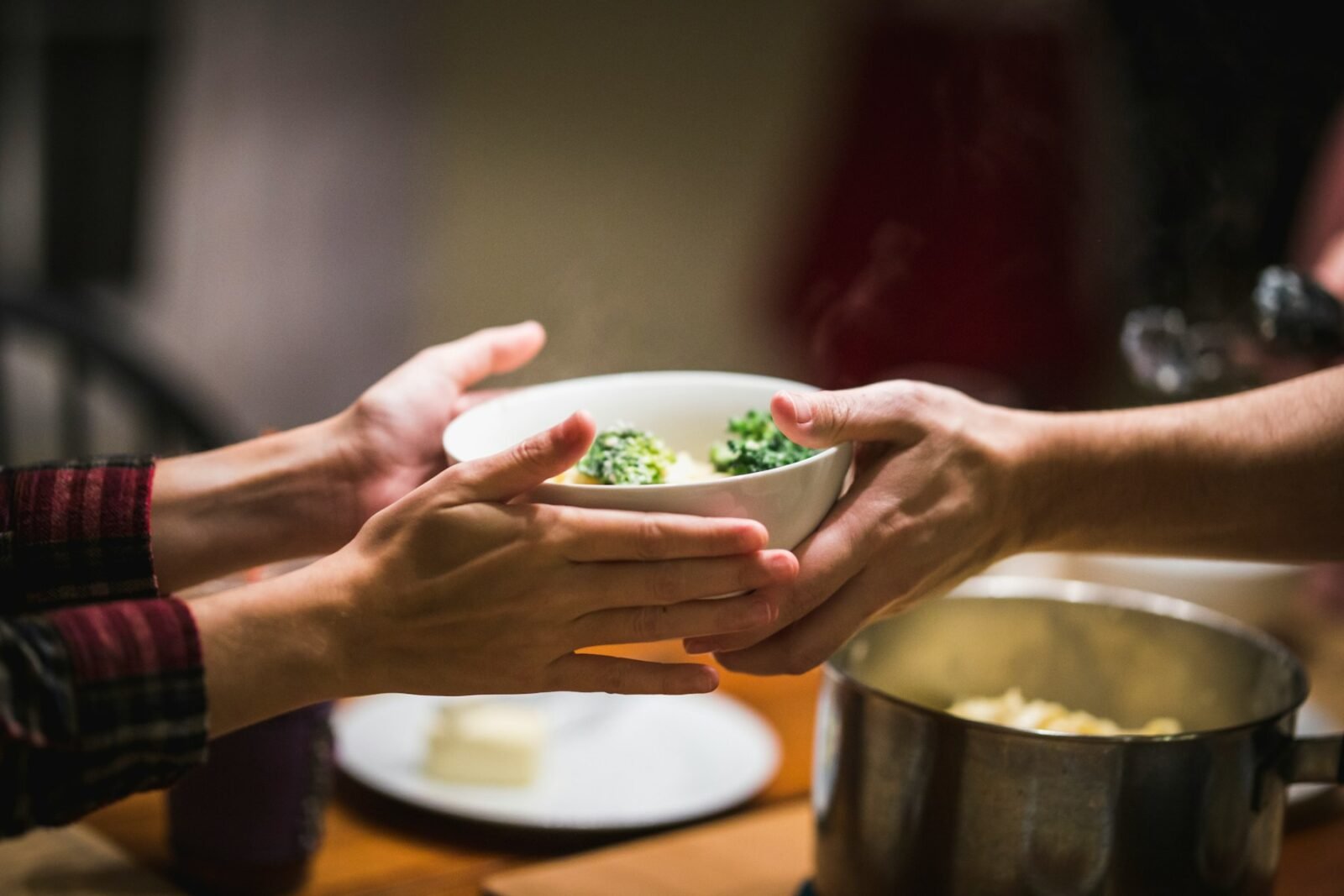
Cooking for one can feel like a chore. Make a big batch and freeze portions. Set the table. Put on music. Invite a neighbor once a week. Food tastes better with company.
Supplements and medicine
Some medicines interact with foods and supplements. Ask your doctor or pharmacist before you start anything new. Vitamin B12 and vitamin D are common topics for older adults, so ask what applies to you.
Dental and swallowing issues
If chewing is hard, try soups, stews, smoothies, eggs and soft cooked vegetables. Talk to your dentist or doctor. Do not give up good food. Change the texture.
Move and eat together
Food and movement work as a team. A short walk after a meal helps digestion and mood. Pair this guide with the exercise plan for older adults on this site.
This is general information, not medical advice.
This guide is general education, not medical advice. Talk with your doctor or a registered dietitian about your own needs, especially if you take medication or manage a condition.
Quick questions
How much protein do older adults need?
The basic recommended amount is 0.8 grams per kilogram of body weight, but the 2025 to 2030 Dietary Guidelines summary notes that older adults may benefit from 1.2 to 1.6 grams per kilogram. Check with your doctor if you have a health condition.
What should a healthy plate look like after 60?
Half vegetables and fruit, a quarter protein, a quarter whole grains, a little healthy fat, and water to drink.
How much sugar and salt should I limit?
The guidelines suggest keeping added sugar under 10 percent of daily calories and sodium under 2,300 milligrams a day.
What if I do not have much of an appetite?
Try smaller meals more often and focus on foods that pack nutrition, like eggs, yogurt, nuts, and soups. Talk to your doctor if your appetite changes suddenly.
Is frozen food okay?
Yes. Frozen vegetables and fruit are a cheap, easy way to eat more produce.
Make someone's day
Pass this on. One kind message can change a whole day. Then play a game that does some good.