
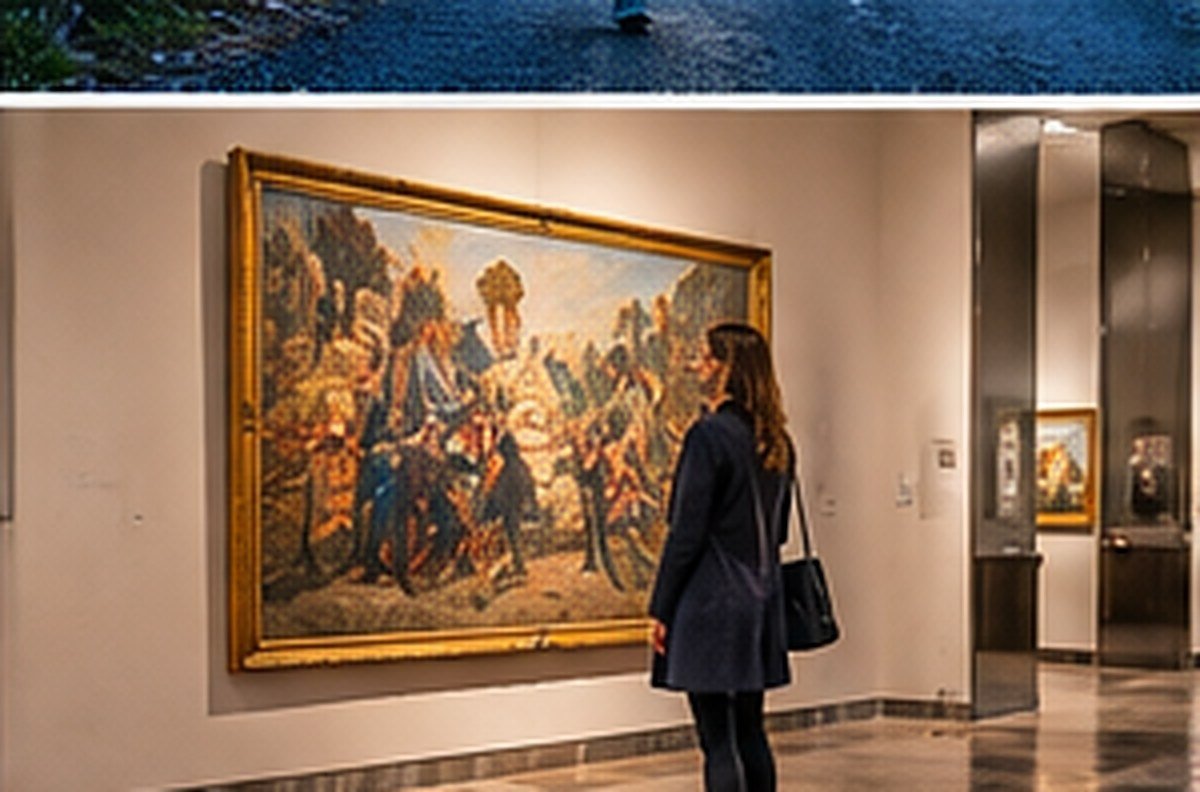
Most people spend only a few seconds in front of a piece of art. It is no wonder it can feel confusing or boring. Looking at art is a skill, and a simple one. This guide gives you a method you can use in any museum, gallery, or even on your phone.
The short version
- Slow down. Give a piece of art two full minutes.
- Look first, read the label second.
- Ask what you see, what you feel, and what you wonder.
- There is no wrong answer.
A five step method
- 1. Stand back, then step closer. See the whole piece, then look at the details.
- 2. Describe it out loud or in your head. Colors, shapes, people, objects, light.
- 3. Notice how it feels. Calm, tense, joyful, lonely? Trust your reaction.
- 4. Look for choices. Why this color here? Why this angle?
- 5. Read the label. Now compare what you saw with what the artist or curator says.
Questions to ask any piece
- What is the first thing I notice?
- Where does my eye travel?
- What was happening when this was made?
- What would change if the colors were different?
- What do I want to know more about?
Why it is worth it
Slow looking trains attention and curiosity. It helps you notice more in everyday life too. You do not need to know art history. You need time and honest curiosity.
A five step way to look at any artwork
- Pause. Spend at least a minute before reading the label.
- Describe. What do you see? Colors, shapes, people, places.
- Feel. What mood does it give you? Calm, tense, hopeful?
- Ask. Why did the artist make these choices?
- Connect. Does it remind you of something in your own life?
Notice the details
Look at light and shadow, texture and brushwork, and where your eye goes first. Step back, then step close. Great art rewards a second look.
Give context a chance
Read the label after you have looked. Learn who made it, when and why. Context adds depth but your own reaction counts.
There is no wrong answer
You do not need a degree. You only need curiosity. If you like it, good. If you do not, ask why. Both teach you something.
Make it a habit
Visit a free museum day, a local gallery or a street mural. Bring a friend or a notebook. Sketch one piece that moves you.
Types of art to explore
- Painting: look at brushwork, color and composition.
- Sculpture: walk around it and see how light changes it.
- Photography: notice framing and the moment captured.
- Street art: see how it fits its place.
- Folk and craft: quilts, pottery and weaving carry stories.
Visiting a museum
Pick three pieces, not thirty. Sit down in front of one. Many museums have free days or discounts.
Art at home
Hang something you love. Rotate pieces. Let kids draw and display their work. Art makes a space feel alive.
Try making some
Draw, paint, paper cut or take a photo walk. You will see art differently once you make it.
Famous ways of seeing
Some artists use light to create mood, like the Impressionists, who painted quick impressions of places. Others, like the Renaissance masters, aimed for lifelike detail and balance. Modern artists often break rules to say something new. Look for what each tries to say.
Look at color
Warm colors like red and orange often feel energetic. Cool colors like blue and green may feel calm. Notice what dominates and how colors work together or clash.
Look at composition
Where are the lines? What is large and small? What is in the center? Where does your eye go next? Artists guide your eye.
Look with kids
Ask: What do you see? What do you think is happening? What would you title this? Kids see fresh and often notice things adults miss.
A practice for the week
| Day | Try |
|---|---|
| Mon | Pick a painting online and look for five minutes |
| Wed | Visit a mural or a local gallery |
| Fri | Sketch something you like |
| Sun | Share a favorite piece with a friend |
Art and wellbeing
Many people find looking at or making art calming and inspiring. It slows you down and helps you notice more.
Why looking at art can change your day
Art slows you down. In a world of quick scrolling, standing in front of one painting for five minutes feels like a small rebellion. You notice more. You feel more. You come away a little different. You do not need training. You only need patience and an open mind.
A slow looking exercise
Pick one artwork. Set a timer for five minutes. In the first minute, just take it all in. In minute two, look at the colors. In minute three, look at the shapes and lines. In minute four, look at the details in the corners. In minute five, ask what it makes you feel and why. Write down one sentence.
Questions to ask yourself
- What is the first thing I notice?
- What is the mood?
- What was the artist trying to say?
- What time or place does it come from?
- What would I change? What would I keep?
- Does it remind me of anything in my life?
Learn a little context
After you look, read the label or search the title. Learn the artist’s name, the year and the story behind it. Knowing that a painting was made during a hard time or a joyful moment can deepen what you see.
Styles at a glance
| Style | What to look for |
|---|---|
| Realism | Lifelike detail and everyday life |
| Impressionism | Light, color and quick brushstrokes |
| Abstract | Shapes, color and emotion without a clear subject |
| Folk art | Tradition, community and storytelling |
| Photography | Framing, light and the moment |
Seeing art in everyday places
Murals, architecture, product design, gardens and even a well set table are forms of art. Start to notice beauty around you. It makes ordinary days richer.
Visit with a friend
Share what you see. You will notice different things. Ask each other which piece you would take home. Grab a coffee after and talk about it.
Make your own
Draw a bowl of fruit. Paint with a child. Take photos on a walk. Try pottery or collage. You will look at art differently when you have made some.
Art for wellbeing
Many hospitals, schools and senior centers use art because it helps people feel calm and connected. Make it part of your week.
Keep reading
- Ways to Volunteer and Give Back: 25 Ideas for Any Schedule
- Self Care Ideas on a Budget: 40 Simple Ways to Recharge
- Starting Over at 40, 50 or Later: A Hopeful Guide
- 100 Random Acts of Kindness Ideas That Change Your Day and Theirs
Get one good message a week, free. Start here or play a game.
Quick questions
How do I appreciate art if I know nothing about it?
Slow down, describe what you see, notice how it makes you feel, and then read the label. Curiosity is enough.
How long should I look at a painting?
Try at least a minute or two. Many people are surprised by how much they notice after the first 30 seconds.
Is there a right way to interpret art?
No. Context can deepen your understanding, but your personal reaction is part of the experience.
Make someone's day
Pass this on. One kind message can change a whole day. Then play a game that does some good.