


Sunday night, kitchen table
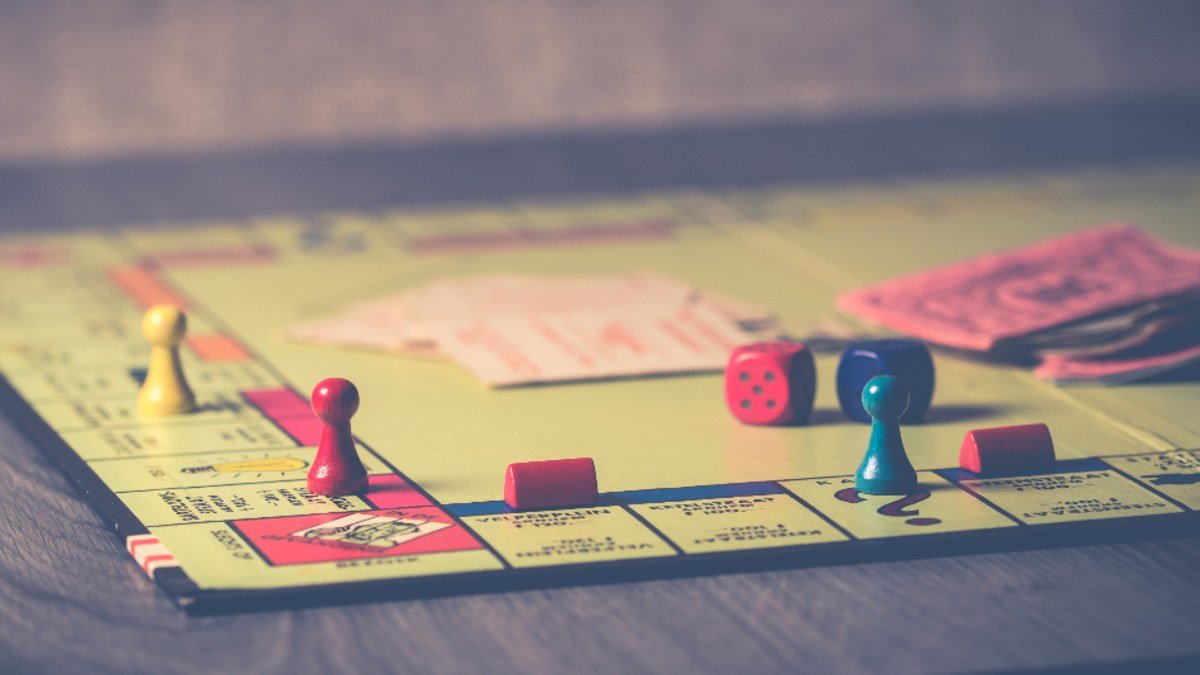
The board game is out. Dice, little plastic pieces, a stack of cards that has been spilled at least once this evening. My son is younger in this memory, maybe eight. We have been playing for forty minutes and he has been winning the whole time, which is why he is in such a good mood.
Then I roll what I need. Twice in a row. Suddenly he is behind, and it is clear he is going to stay behind, and his face does the thing. The lip. The eyebrows. The quiet before the storm.
I have about three seconds before the board goes across the room. I know because it has gone across the room before.
The old way
For a long time my move here was to let him win. Fudge a roll. Forget to take a turn. It kept the peace and it kept the pieces on the table. I told myself I was being a nice dad.
I was not being a nice dad. I was teaching him that losing was so bad the adults would rig the world to keep it from happening. Then he would go lose at school, or at a friend’s house, where nobody was rigging anything, and he would fall apart. I was not protecting him. I was sending him out with no practice.
So I stopped. And that Sunday night was one of the first times I did not fudge the roll. I just took my turn and won.
What happened next
The board did not go across the room. It came close. He pushed back from the table and crossed his arms and said it was a stupid game. I said, it is a pretty stupid game, you are right. He did not expect that. He looked up.
I said, you played great for forty minutes and I got lucky at the end. That is what dice do. You want to know what I do when I lose? He did not say yes but he did not leave either.
I told him. I said, I let it sting for a second. I do not pretend it does not. Then I say, good game, and I mean it, and then I ask if we can play again. Because the only way to lose and still have a good night is to decide the game was the point and not the winning.
Then I held out my hand across the board and said, good game. He stared at it for a while. Then he shook it, kind of limp, and said good game back, in a voice like he was eating something sour.
The laugh
Here is the part I did not plan. After the handshake, I knocked my own little plastic piece over by accident and it rolled under the fridge. I had to get down on the floor with a spatula to fish it out. By the time I came up with it, dusty, he was laughing. Full laughing, the kind where he forgot he was mad.
That laugh did more than any speech. It showed him that the game was over, the loss was over, and we were still at the table together and it was still a good night. Nothing had been taken from him. The loss was just a thing that happened, like the piece under the fridge.
We played again. He lost that one too. He did not love it, but the board stayed on the table and he said good game without being asked. I did not make a big deal out of it. I just added it to the list of things I was grateful for that week, quietly, the way I try to keep a running count of the good things so the hard ones do not get all the attention.
Play a Positive Phil game
Gratitude Stack
Build a tower out of thank yous.
He is older now. He loses at things that matter more than board games. Tryouts, grades, a girl. He does not always laugh. Nobody does. But I have watched him let it sting, say good game, and ask to go again, and I know where that came from. It came from a kitchen table on a Sunday night and a dad who finally stopped fudging the dice.
If you have a kid who flips the board, do not rig the game. Sit there with them in the losing. Say good game and mean it. Then knock something under the fridge if you have to. Give them a reason to laugh while they are still at the table. That is the whole lesson, and it is one they are going to need.
Losing well is a skill. Teach it at the kitchen table before life teaches it somewhere harder.