

I spend most of my working life around data centers, mostly on the energy side, and I’m still learning the water side. One thing that surprised me moving into this world is how much precision engineering happens in pipes and valves that never make a headline. Everyone talks about chips and power. Almost nobody talks about the water loop that keeps them cool.
Why the Boring Parts Matter
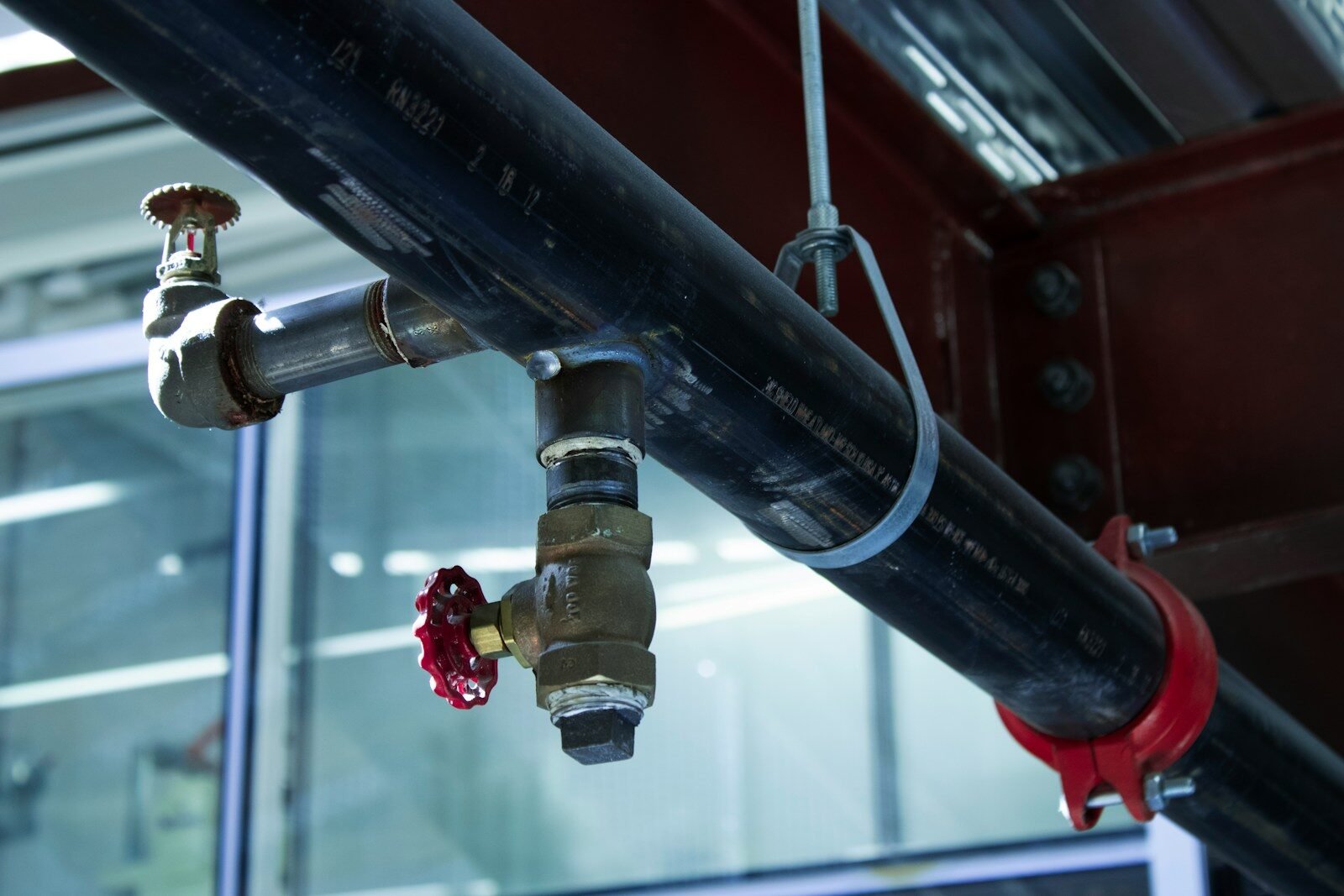
A chilled water or condenser water loop lives or dies on a handful of unglamorous decisions: how precisely you can throttle flow, how tight a shutoff you actually get, how much room you have in the mechanical space, and how easy the thing is to service five years in without draining the whole system. Butterfly valves earn their place in these loops because they do a lot of that well in a small, quarter-turn package, compact, relatively light, fast to operate, and good at both isolation and throttling in a single body. Other valve types have their place too, gate valves for a harder shutoff at high pressure, ball valves where you want a completely unobstructed bore. None of that is exciting to read about. All of it is the difference between a cooling loop that behaves for twenty years and one that becomes a maintenance headache in year three.
I’m not naming brands here, mine or anyone else’s. This is just the part of the industry I find genuinely interesting, and I don’t think it gets enough credit.
Eight Companies Working the Water Side
Here are eight companies doing real, documented work on the water infrastructure behind data centers right now.
Veolia
Veolia is building a facility in Mississippi that will turn treated wastewater from a nearby plant into cooling water for an Amazon data center, using containerized, modular treatment systems. The project is expected to reuse more than 83 million gallons of potable water a year, roughly what 760 homes use annually, and come online in 2027. AWS is providing the AI layer for real-time optimization and predictive maintenance on top of it. It’s designed to be replicated at other Amazon sites where conditions allow.
Xylem
Xylem’s CEO Matthew Pine has been blunt about the scale of the problem: AI-related water use could rise 129 percent by 2050, an additional 30 trillion liters a year, while the world currently reuses only about 6 percent of the 320 trillion liters of wastewater it produces annually. Xylem is putting real money behind closing that gap, about a billion dollars a year in planned acquisitions, and has deployed its Xylem Vue digital platform with Amazon in Mexico City and Monterrey targeting 1.3 billion liters in annual water savings through pressure management and leak detection.
Genesis Water Technologies
This one operates at a smaller, more specific scale than the others on this list, and I like that about it. Genesis builds modular treatment systems that let data centers cool with treated wastewater instead of potable water, using spiral filtration, ultrafiltration, and reverse osmosis stages. In one documented case, a Texas hyperscale facility used their system to process 2.5 million gallons of cooling tower blowdown a month and cut municipal water use by 35 percent. Treated wastewater typically runs 30 to 50 percent cheaper than potable water, which means this kind of system usually pays for itself in well under a decade.
Loudoun Water
Loudoun County, Virginia is the highest concentration of data centers on earth, which makes Loudoun Water probably the most stress-tested utility in the country on this exact issue. They’ve built out a water reuse and reclaimed water system and a quarry storage program specifically to keep pace, and they lean on regional studies like the ICPRB’s Potomac River basin water supply assessment to plan years ahead instead of reacting. Utilities don’t get to choose their neighbors. This one happens to sit next to the densest data center corridor in the world and has had to get good at this fast.
AECOM
AECOM’s data center practice covers the full water stack: advanced treatment, ultrapure water generation, closed-loop recycling, and zero-liquid discharge design for hyperscale campuses and semiconductor fabs. They’ve built across 45 countries over 25 years in this space, which is the kind of track record that matters when a water system for a gigawatt-scale campus has to be right the first time, not iterated on later.
Jacobs
Jacobs was just appointed engineering, procurement, and construction management lead for Hut 8’s River Bend data center in Louisiana, part of a 15-year, 7 billion dollar lease for 245 megawatts of IT capacity that’s set to become one of the largest AI and HPC developments in North America. The first data hall is scheduled to come online in early 2027. Water and power planning on a project that size has to be right years before a server ever gets racked.
Johnson Controls
Johnson Controls’ angle is squeezing more cooling out of less water and power in the first place. Their YK-HT centrifugal chiller runs about 30 percent smaller than comparable units and needs up to 60 percent fewer dry coolers, and pairing their YORK absorption chillers with on-site generation can cut chiller electricity use by more than 90 percent. Less water evaporated and less power drawn for cooling both start with equipment like this, well before anyone talks about reuse or treatment.
Trane Technologies
Trane is buying LiquidStack, a Texas-based direct-to-chip and immersion cooling specialist, after starting with a minority stake in 2023. The idea is to offer one integrated thermal management system from the central plant all the way down to the chip, instead of stitching together vendors at every layer. As one of their executives put it, customers need cooling that scales from the plant room to the silicon. Fewer handoffs usually means fewer places for a water or cooling system to go wrong.
None of these companies asked me to write this, and none of it involves what I actually do for a living. I just think the people solving water problems at this scale, and the people still arguing over which valve belongs in which line, deserve more attention than they get. If you work in this corner of the industry, I’d love to hear what I got right and what I missed.