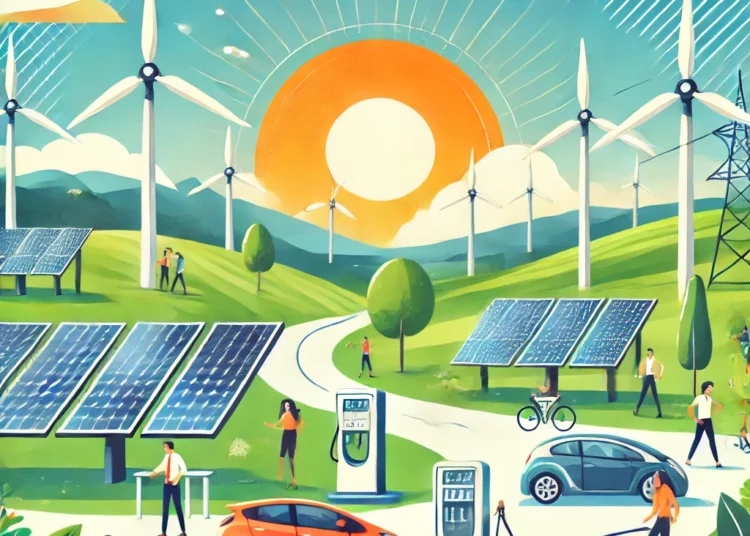


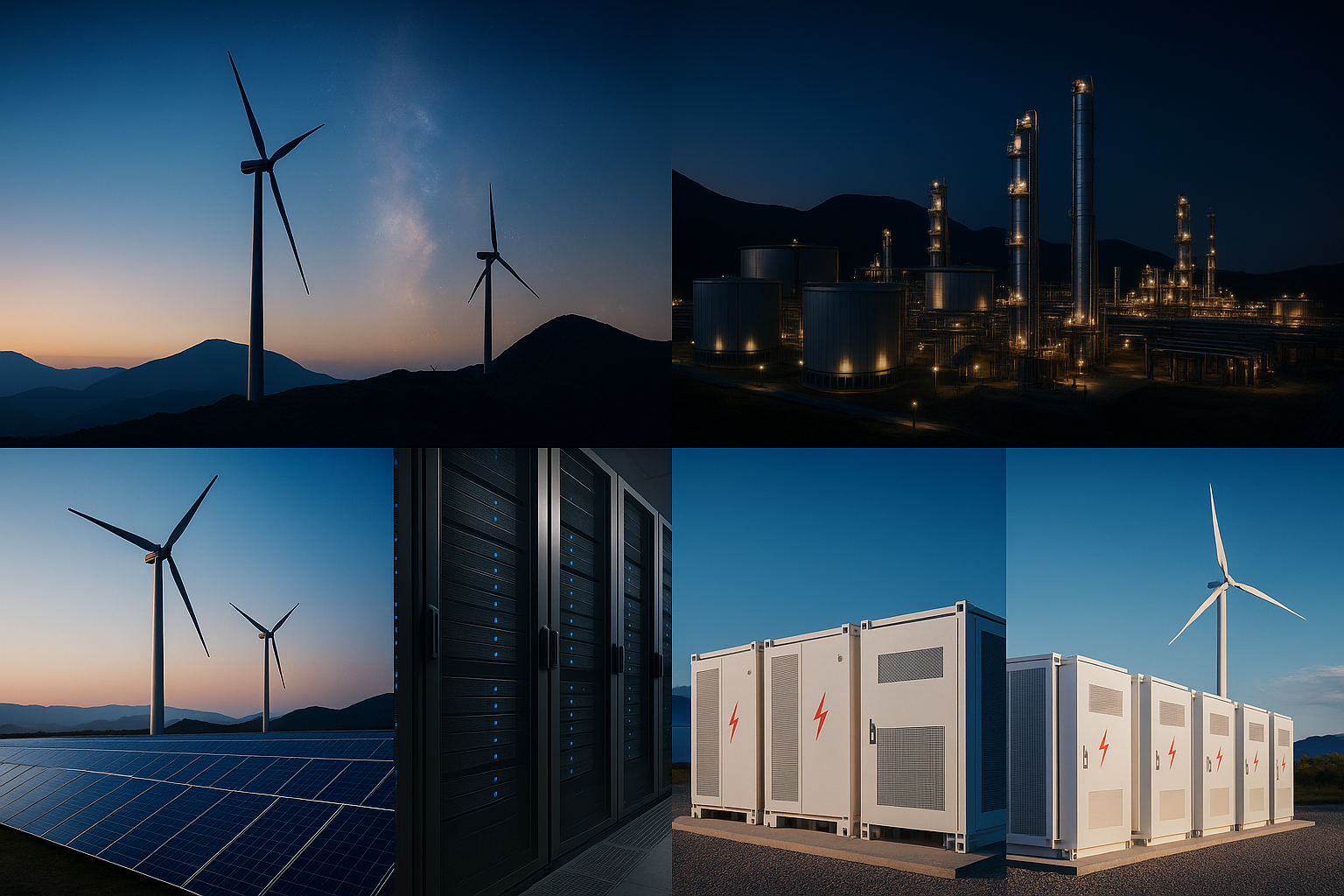
The energy sector is moving past the era of single-source assets. Solar alone? Wind alone? Yesterday’s thinking. The real momentum is in hybrid renewable systems, where solar, wind, and battery storage operate as a synchronized trifecta.
Modern grids are demanding flexibility, resilience, and nonstop availability—something no single renewable can provide alone. Put them together and the entire system behaves differently. Hybrid isn’t an upgrade; it’s a transformation.
Hybrid Means Higher Capacity Factor
In old-school renewables, you got what the weather gave you. The sun peaks mid-day, wind often peaks at night, and the grid operator crosses their fingers. Hybrid systems break that pattern.
Solar generates when the sun is up.
Wind kicks in during early mornings, nights, and storm cycles.
BESS (Battery Energy Storage Systems) fill the gaps—charging during surplus and discharging during demand spikes.
When you combine all three, your power plant starts acting less like a weather experiment and more like a disciplined athlete. Developers are now achieving capacity factors north of 60%, rivaling gas peaker plants but without spewing emissions or chasing volatile fuel prices.
This is the evolution of renewable optimization at scale.
Hybrid Means More Revenue
Markets reward consistency, and hybrid systems deliver more consistent power over more hours.
They unlock new revenue streams, including:
• energy arbitrage
• ancillary services
• firmed power contracts
• reduced curtailment
• reduced interconnection delays (the quiet game-changer)
A co-located storage system absorbs excess generation instead of wasting it. A wind-solar hybrid power plant smooths out the production curve. Add BESS, and your asset becomes the Swiss Army knife of the grid.
More uptime = more grid value = more revenue. Simple math, big payoff.
The Hybrid Model Is Becoming the Default
Globally, hybrid solar+storage was the fastest-growing renewable segment throughout 2024–2025. Developers who haven’t adopted hybrid energy design are already playing catch-up.
This isn’t a fad. It’s a structural reset—one that grid planners and financiers now expect.
BESS Everywhere: How Battery Energy Storage Systems Became the Backbone of the New Grid
SEO Keywords: BESS, battery energy storage systems, utility-scale battery storage, long-duration energy storage, LDES, lithium-ion batteries, grid resilience, renewable balancing
BESS used to be the awkward cousin in the renewable family—expensive, experimental, slightly mysterious. Not anymore. Today, battery energy storage systems are the backbone of modern grid resilience and the essential counterpart to renewable expansion.
Battery storage isn’t an accessory; it’s the stabilizer that lets renewables scale without chaos.
Lithium-Ion Still Dominates
Lithium-ion batteries lead short-duration storage for one reason: economies of scale. EV manufacturing pushed costs down while boosting performance.
Four-hour utility-scale BESS has basically become the standard unit of storage for new projects. It no longer counts as “innovative”—it’s just smart engineering.
Long-Duration Storage Is Coming Fast
To match fossil-fuel reliability, grids need multi-day flexibility. Enter the next wave:
-
iron-air
-
zinc hybrids
-
flow batteries
-
gravity systems
-
thermal vaults
-
sodium-ion chemistries
Just a few years ago this stuff was dismissed as science fiction. Now it’s forming the backbone of multi-day clean power strategies.
Grid Operators Love BESS
Battery systems deliver services no gas peaker can match:
• frequency regulation in milliseconds
• load shifting
• voltage support
• black-start capability
• congestion relief
Try asking a gas plant to respond in 250 milliseconds. Try asking it to start up during a total blackout. No dice.
Why Developers Are Going “Storage-First”
Developers used to design a solar farm and later discuss adding batteries. That flipped. Now teams design around storage-first, adding generation as a complement.
Storage is becoming the heart of renewable energy, not the sidekick.
The next decade belongs to batteries—pure and simple.
Microgrids Are Growing Up: From Niche to Necessary
SEO Keywords: microgrids, distributed energy systems, community microgrids, campus microgrids, commercial microgrids, grid resilience, energy independence**
Microgrids used to sound like prepper tech—something you’d use if you wanted to disappear into the woods. Fast forward, and now they’re being built by major corporations, hospitals, universities, airports, ports, and government campuses.
Why? Because the grid is wobbling—and microgrids offer stability.
Why Microgrids Matter
With extreme weather, aging infrastructure, and unpredictable outages, centralized grids feel fragile. Microgrids flip that vulnerability into independence.
A microgrid can isolate (“island”) itself from the main grid during outages. During normal operations, it supports the grid and earns revenue.
Modern Microgrids Are Power Ecosystems
A typical commercial microgrid includes:
• rooftop solar
• onsite battery storage
• backup gensets
• EV charging infrastructure
• AI-based energy management
• islanding capability
This blend turns buildings into self-powering fortresses, capable of running through outages that leave the surrounding area dark.
Commercial Adoption Is Exploding
Retail chains want predictability.
Data centers crave uptime.
Ports and logistics hubs can’t afford outages.
The result is a booming market of distributed energy systems—one microgrid at a time.
This is decentralization in motion.
Hybrid BESS + Thermal Storage: The Heat-Powered Edge
SEO Keywords: thermal energy storage, hybrid thermal+BESS, industrial decarbonization, heat batteries, molten salt systems, industrial energy storage**
Electricity hogs the spotlight, but most of the world’s energy demand is actually thermal—process heat for steel, glass, cement, chemicals, refineries, food processing, and more.
That’s why the next major disruption is the rise of hybrid thermal storage + BESS systems.
Heat Storage Is Cheaper
Thermal storage systems like molten salt, sand beds, brick storage, and phase-change batteries can store massive amounts of energy at one-tenth the cost of lithium-ion.
For industrial heat users, that cost difference is game-changing.
Why Pair Thermal With BESS
A hybrid system splits the workload intelligently:
• Thermal handles industrial heat cycles
• BESS handles electricity and grid services
• Together they replace natural gas without sacrificing reliability
The result is a fully decarbonized industrial campus—cleaner, cheaper, and much more resilient.
This hybridization is where some of the world’s biggest industrial players are quietly placing major bets.
Follow the heat and you’ll see where the next trillion-dollar disruption is forming.
The Investment Wave: Why Clean Energy Assets Are the New “Blue-Chip” Holdings
SEO Keywords: clean energy investment, renewable energy financing, BESS tax credits, IRA energy incentives, project finance renewable energy, energy transition investment**
Capital is stampeding into clean energy faster than analysts expected. Renewables have officially graduated from “alternative” to “mainstream infrastructure.”
Investors aren’t just dipping toes—they’re diving in headfirst.
Renewable Assets Now Behave Like Infrastructure
Solar, wind, and storage deliver:
• predictable returns
• inflation-linked revenue
• long-term contracts
This makes them behave like classic infrastructure assets—except cleaner, faster, and more adaptable.
Storage Is the Darling of Investors
Tax credits…
Falling lithium prices…
Surging demand…
All merging into some of the highest IRRs in the entire infrastructure sector.
BESS is no longer a “nice-to-have.” It’s becoming the anchor of modern energy portfolios.
Hybrid Plants Reduce Risk
Hybrid systems reduce volatility by producing across more hours. That stabilizes cash flow, strengthens PPAs, and lowers risk—making lenders very comfortable.
Follow the money and you follow the future.