


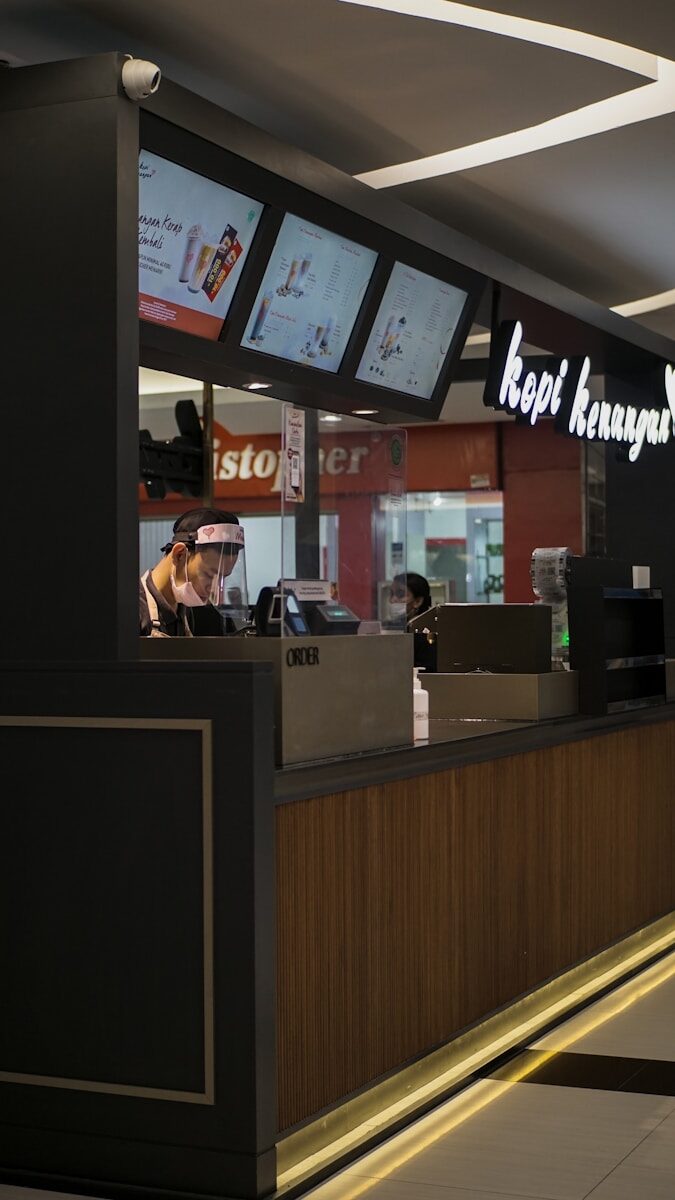
Quick-service restaurants (QSRs) are one of the most recognizable and scalable business models in the American economy. From burgers and tacos to coffee, pizza, and chicken, the category dominates the food service industry and continues to evolve with technology, delivery platforms, and consumer lifestyle shifts.
In the United States alone, the quick-service restaurant sector generates hundreds of billions of dollars in annual revenue and represents more than half of the entire restaurant industry. (Restroworks)
There are also nearly 200,000 QSR franchise establishments operating across the country, making franchising one of the most common ownership structures in food service. (Research and Markets)
For entrepreneurs, investors, and operators, the appeal is obvious:
- Established brands
- Proven operational systems
- National marketing support
- Scalable multi-unit growth
But like any serious business venture, QSR franchising is not a guaranteed success. The difference between a thriving franchise portfolio and a painful investment often comes down to how carefully the opportunity is evaluated before signing the franchise agreement.
This guide breaks down what experienced operators look for when evaluating a QSR franchise opportunity in the United States.
Why QSR Franchising Continues to Attract Investors
The quick-service restaurant industry has proven remarkably resilient over time. Several long-term factors drive its continued growth.
1. Consumer demand for convenience
Busy lifestyles, dual-income households, and urbanization have made quick meals an everyday necessity. Off-premise dining — including takeout and delivery — now accounts for the majority of restaurant traffic in many markets. (Restroworks)
2. Strong brand loyalty
Major chains spend billions building brand recognition. A franchise owner benefits from consumer trust built over decades.
3. Operational systems already exist
Franchisors provide standardized processes for:
- supply chains
- training
- store design
- marketing
- technology
This reduces the trial-and-error phase typical of independent restaurants.
4. Franchising enables scale
Many operators begin with one store and expand into multiple locations once they prove operational success. In fact, over 40% of franchise locations are owned by multi-unit operators, demonstrating how common this growth path is. (Entrepreneur)
Understanding the Multi-Unit Franchise Model
One of the most attractive aspects of QSR franchising is the ability to scale into multiple units.
Rather than owning a single location, many franchise agreements include development rights to open several restaurants within a territory over time.
Why investors pursue multi-unit deals
Multi-unit ownership can offer several advantages:
Economies of scale
- shared management staff
- centralized purchasing
- marketing efficiencies
Higher enterprise value
A portfolio of restaurants often becomes a valuable asset that can be sold to private equity groups or strategic buyers.
Stronger influence with franchisors
Large operators often receive better territory rights and development opportunities.
System building
Successful operators build teams and processes so the business becomes a platform rather than a job.
However, multi-unit ownership requires strong leadership, capital reserves, and operational discipline. (The Inspiration Edit)
What It Really Costs to Invest in a QSR Franchise
Many first-time investors underestimate the capital required.
Startup costs vary widely depending on the brand, location, and restaurant format.
Typical cost categories include:
Franchise fee
The initial licensing fee to operate under the brand.
Common range:
$10,000 to $50,000+
Build-out and construction
Restaurants require:
- kitchen equipment
- drive-through infrastructure
- seating
- signage
- technology systems
Total costs often reach $1 million to $3 million or more for major chains. (Business Insider)
Real estate and lease costs
Location is one of the most critical variables affecting profitability.
Operators must negotiate:
- long-term leases
- percentage rent clauses
- tenant improvement allowances
A poorly structured lease can destroy unit economics.
Ongoing royalties
Most franchisors charge 4% to 8% of gross sales.
Marketing fees
Many systems require an additional 2% to 4% of sales for national advertising funds.
These fees must be built into the financial model before investing.
The Most Important Factors to Evaluate Before Buying a Franchise
Experienced operators analyze franchise opportunities carefully. The most successful investors focus on several core metrics.
1. Unit Economics
The most important question is simple:
Can one location produce consistent profit?
Key metrics include:
- average unit volume (AUV)
- store-level EBITDA
- labor cost percentages
- food cost percentages
Many franchisors disclose these figures in their Franchise Disclosure Document (FDD).
Pay special attention to:
- top quartile performance
- median performance
- break-even sales levels
The best franchise systems have clear and predictable economics.
2. Territory Availability
Great franchises often sell out the best territories early.
Before investing, evaluate:
- population growth
- traffic counts
- competition density
- demographic trends
Some of the best operators focus on regional clusters rather than scattered locations.
Cluster strategies allow:
- shared management
- efficient supply chains
- stronger brand presence
3. Brand Strength
A strong brand dramatically reduces marketing costs.
Evaluate:
- national advertising presence
- social media engagement
- brand perception
- customer loyalty
Brands with strong emotional connections often outperform competitors.
Examples of strong QSR brand categories include:
- premium burgers
- specialty coffee
- fast casual chicken
- niche ethnic concepts
4. Operational Complexity
Not all QSR brands are equally easy to operate.
Consider factors such as:
- menu complexity
- labor requirements
- kitchen equipment needs
- food preparation time
Simple menus often produce higher margins and faster service.
Many modern QSR concepts intentionally design operations around speed, automation, and efficiency.
5. Supply Chain Stability
Restaurant margins are heavily influenced by food costs.
Strong franchisors negotiate national supply agreements to stabilize pricing.
Ask questions about:
- supplier redundancy
- logistics systems
- commodity exposure
Inflation or supply chain disruptions can significantly impact profitability.
6. Franchisee Support
The relationship between franchisor and franchisee is critical.
Strong systems provide:
- site selection support
- training programs
- marketing resources
- operational coaching
Before investing, speak with multiple existing franchisees to understand their experience.
The most reliable insights come from operators already inside the system.
7. Exit Potential
Many investors overlook the endgame.
Successful franchise portfolios often sell to:
- private equity firms
- large franchise operators
- institutional restaurant groups
A portfolio of profitable restaurants can become a valuable long-term asset.
The Hard Truth About QSR Franchising
QSR franchising can be extremely rewarding — but it is not passive income.
Reality check:
Running restaurants involves:
- early mornings
- late nights
- employee turnover
- food safety regulations
- customer service challenges
Margins can be tight, especially during the early years.
Success usually requires hands-on operational leadership, particularly when launching the first few locations.
The Operators Who Win in QSR Franchising
The most successful franchise owners tend to share several traits.
They:
- treat restaurants like scalable businesses, not side projects
- invest in leadership teams early
- build strong operational systems
- expand carefully into multi-unit portfolios
- maintain disciplined financial management
Many of today’s largest restaurant operators began with a single franchise location.
Over time they built networks of dozens or even hundreds of stores.
Is QSR Franchising Still a Great Opportunity?
For the right investor, the answer is yes.
The sector remains one of the largest and most dynamic parts of the food economy, with consistent consumer demand and significant room for innovation. (Custom Market Insights)
However, success rarely comes from chasing the cheapest franchise or the hottest trend.
It comes from:
- disciplined research
- strong operators
- smart territory strategy
- and long-term commitment
When those elements align, QSR franchising can become far more than a restaurant investment.
It can become a scalable business platform.